
What ordinary life looks like when everyone has decided to show up fully
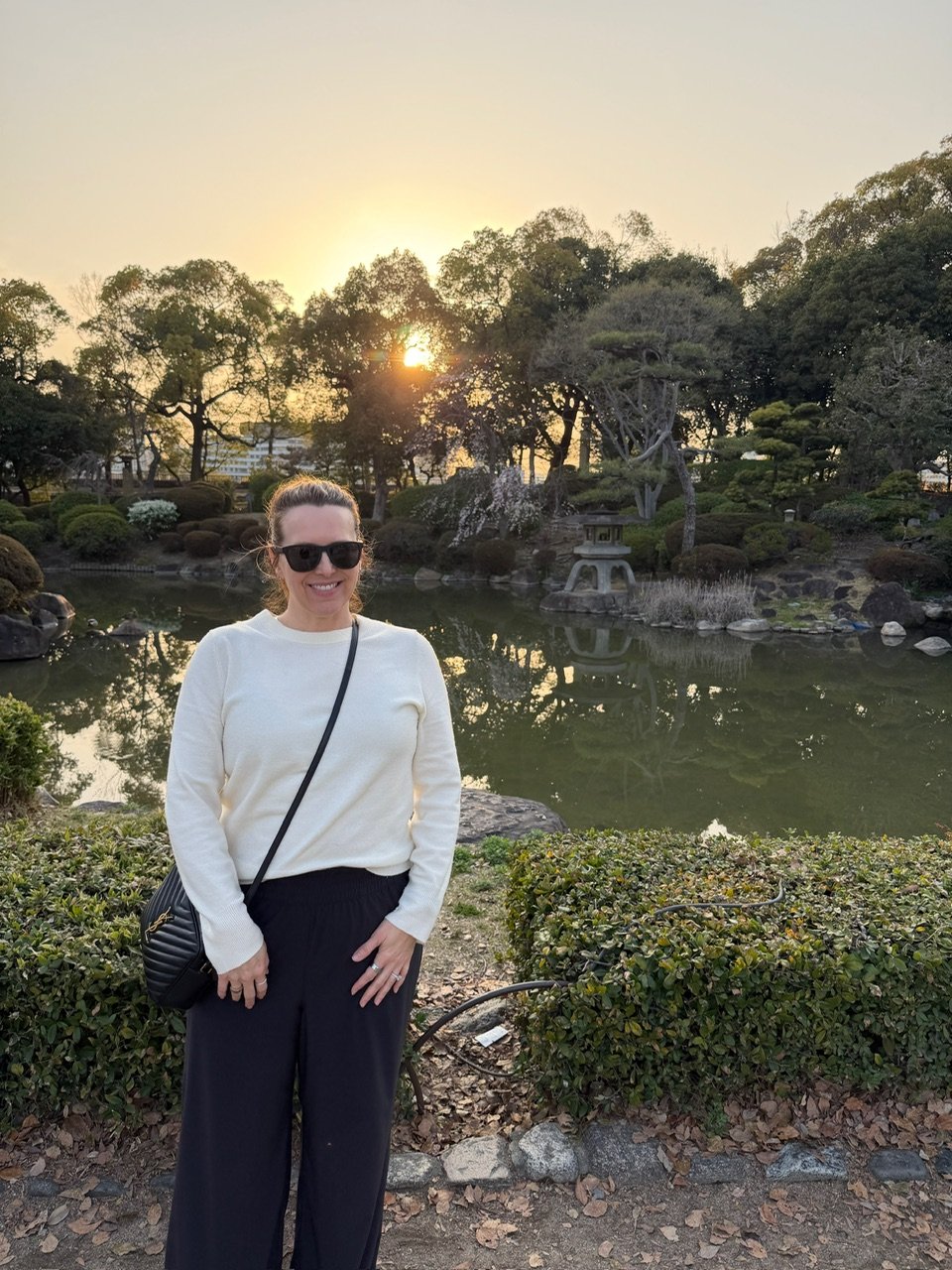
Outside Osaka Castle
Japan changed how I see the world, and I want you to see it too. There's a Japanese principle (although no one actually said this out loud to me) that seems to be woven into everything: nothing is too small to do well.
Our family traveled to Japan for an extended Spring Break trip, and it was so amazing it’s taken me a few days to find the words.
My daughter had been dreaming of this trip for years. It started at Disney’s Epcot, of all places. I took her in the gift shop in “Japan,” and bought a few treats after admiring all the Bonsai trees. I thought I knew a little bit because twenty-five years ago, my Japanese boss took me to Tokyo and Beijing on assignment to write about Walmart. She introduced me to edamame, bean paste-filled mochi (Daifuku), Botan rice candy, Japanese crackers and green tea ice cream over the years.
Anyway, Japan really surprised me. I wasn’t prepared for the feeling that an entire culture had decided, long before we ever got there, about how to pay attention. Japanese culture reminded me that everything … and I mean, everything … is worth doing with full attention and care.
It re-enforced the belief that, “How you do anything, is how you do everything.”
Let me tell you what I mean.
Everything seemed to receive the same level of attention and care. There were no sorting tasks into worthy or unworthy. It was just a way of being. It was simply how things were done.
At first, I couldn’t put my finger on this feeling and what I was noticing in Japan. My husband quickly pointed out, “It’s pride.” And he was right. It’s this level of pride that says I have respect for myself, for you and for the space around me.
— The streets —
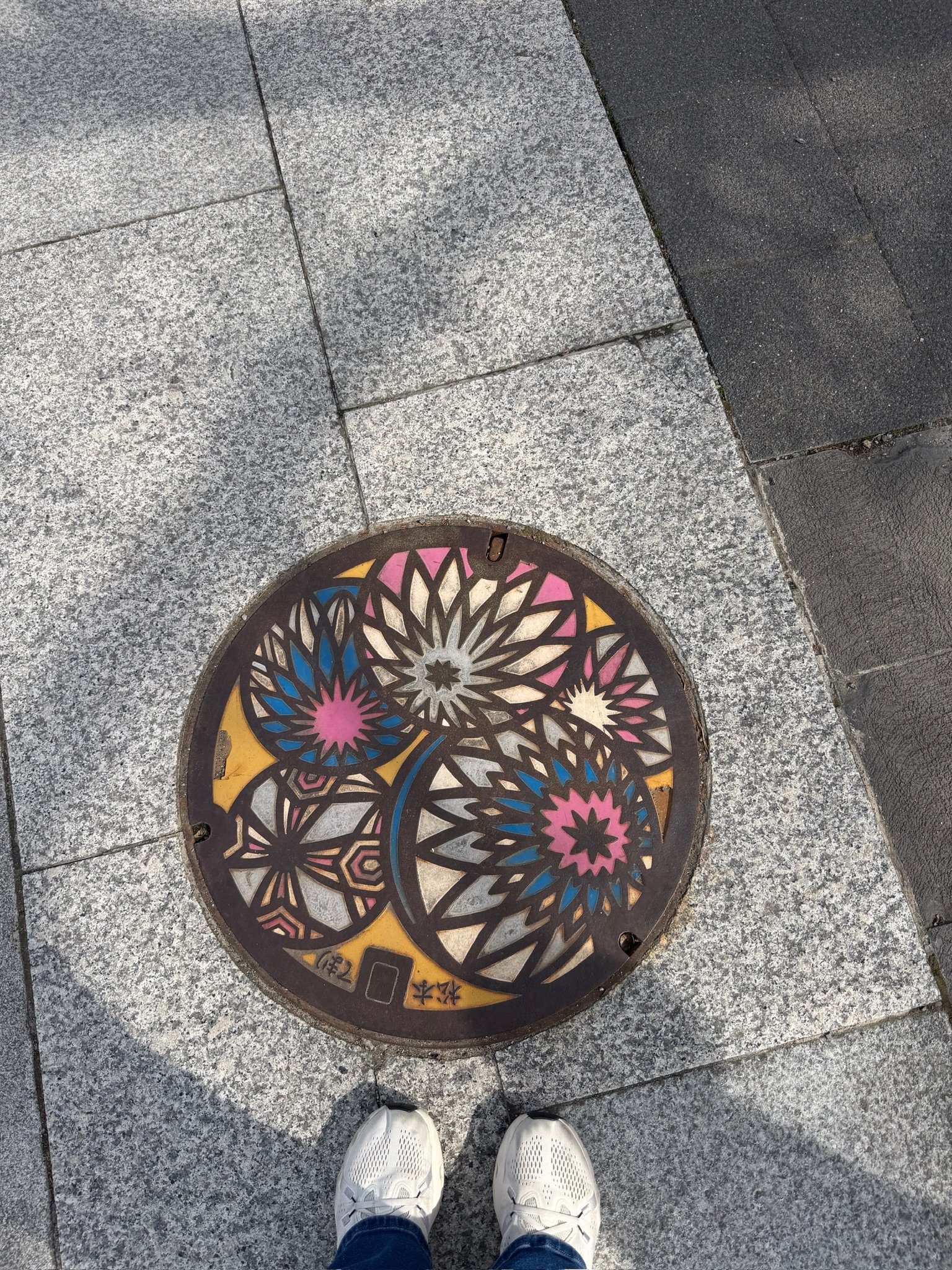
I noticed the manholes first. Not because I was looking down, but because I couldn't not look. They were painted. Beautifully, intricately painted — cast iron covers turned into art beneath my feet, on streets where nobody had dropped a piece of litter. Seriously. The streets were spotless and there are no public trash cans like you’ll find in bigger cities. I learned the Japanese think it’s rude to eat and drink while walking. My daughter reminded me of this (she researched a lot before our vacation) on the first day when I left the hotel with my latte in a to-go cup. I stood there thinking: why no trash cans? And who decides to make a manhole beautiful? Then I realized that was the wrong question. Maybe the right question is: why wouldn't you create beauty out of ordinary things?
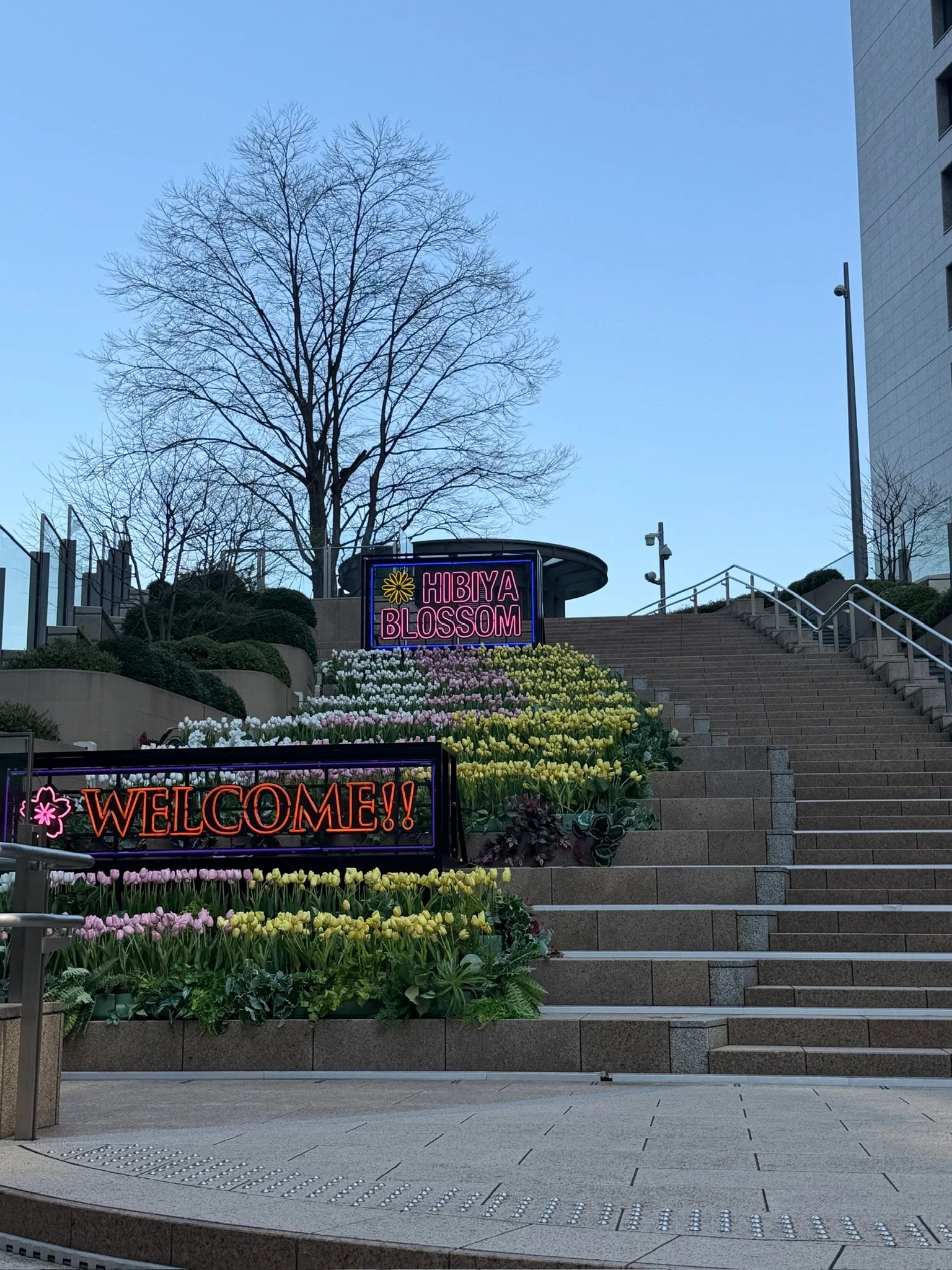
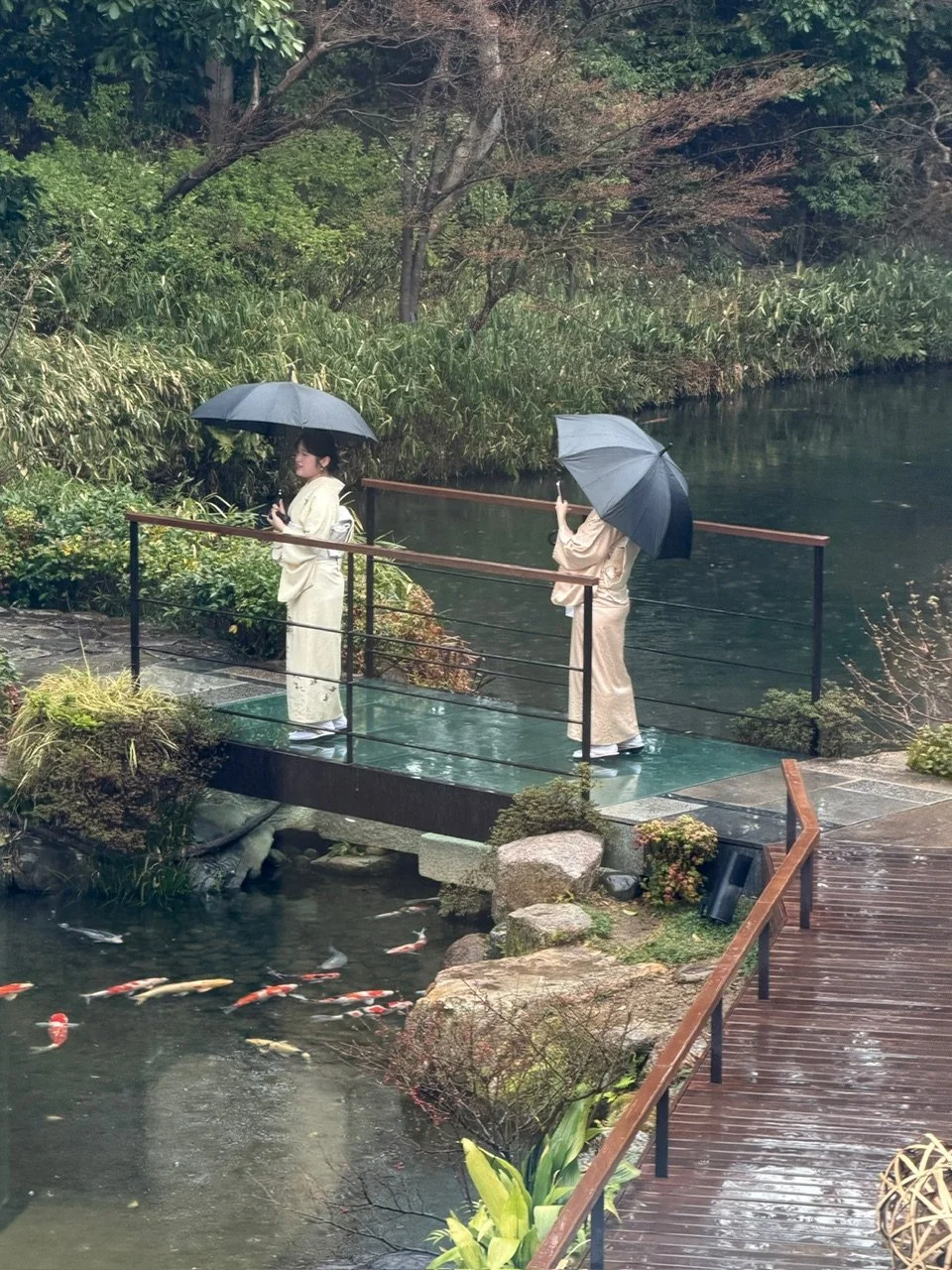
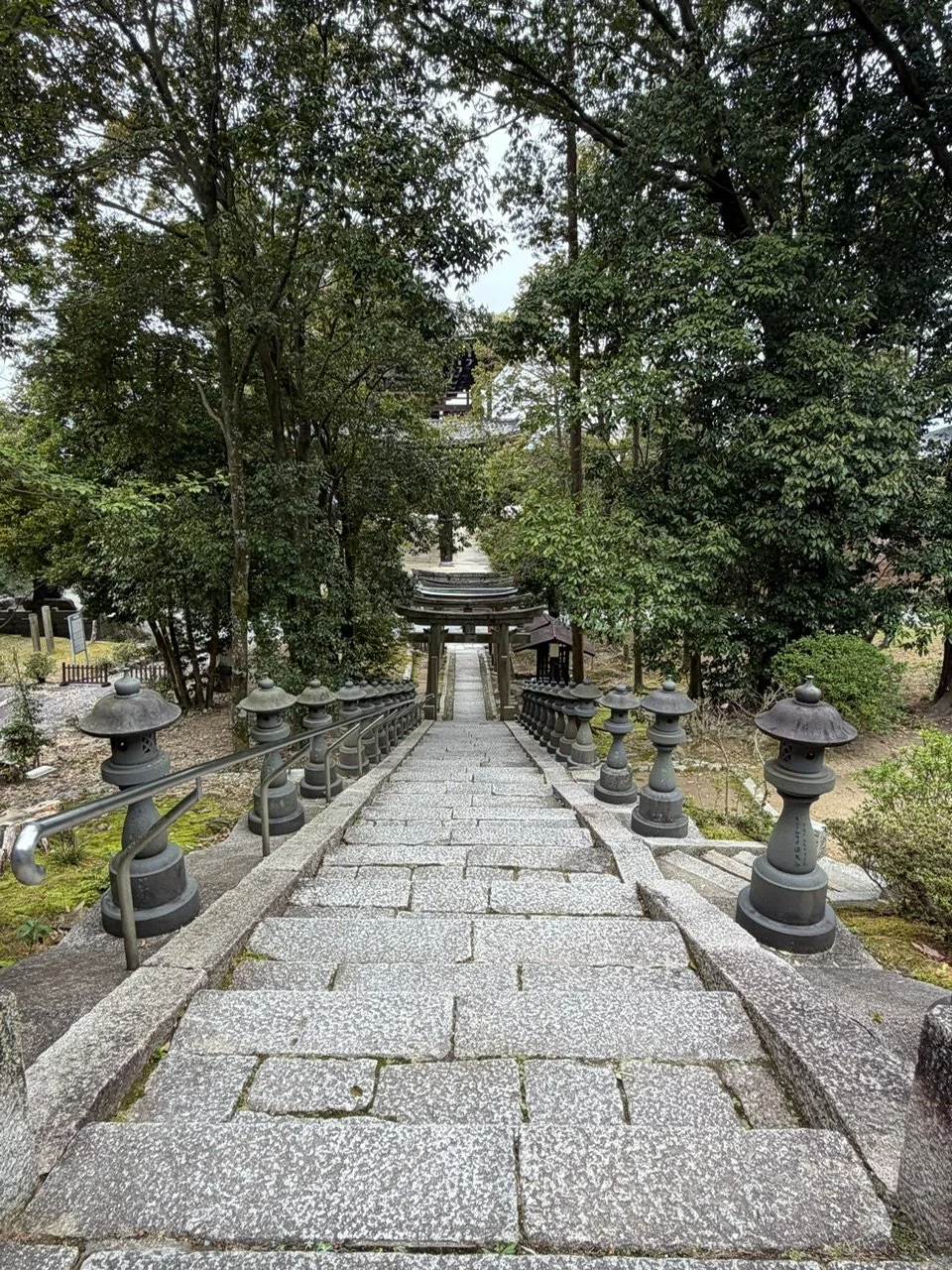
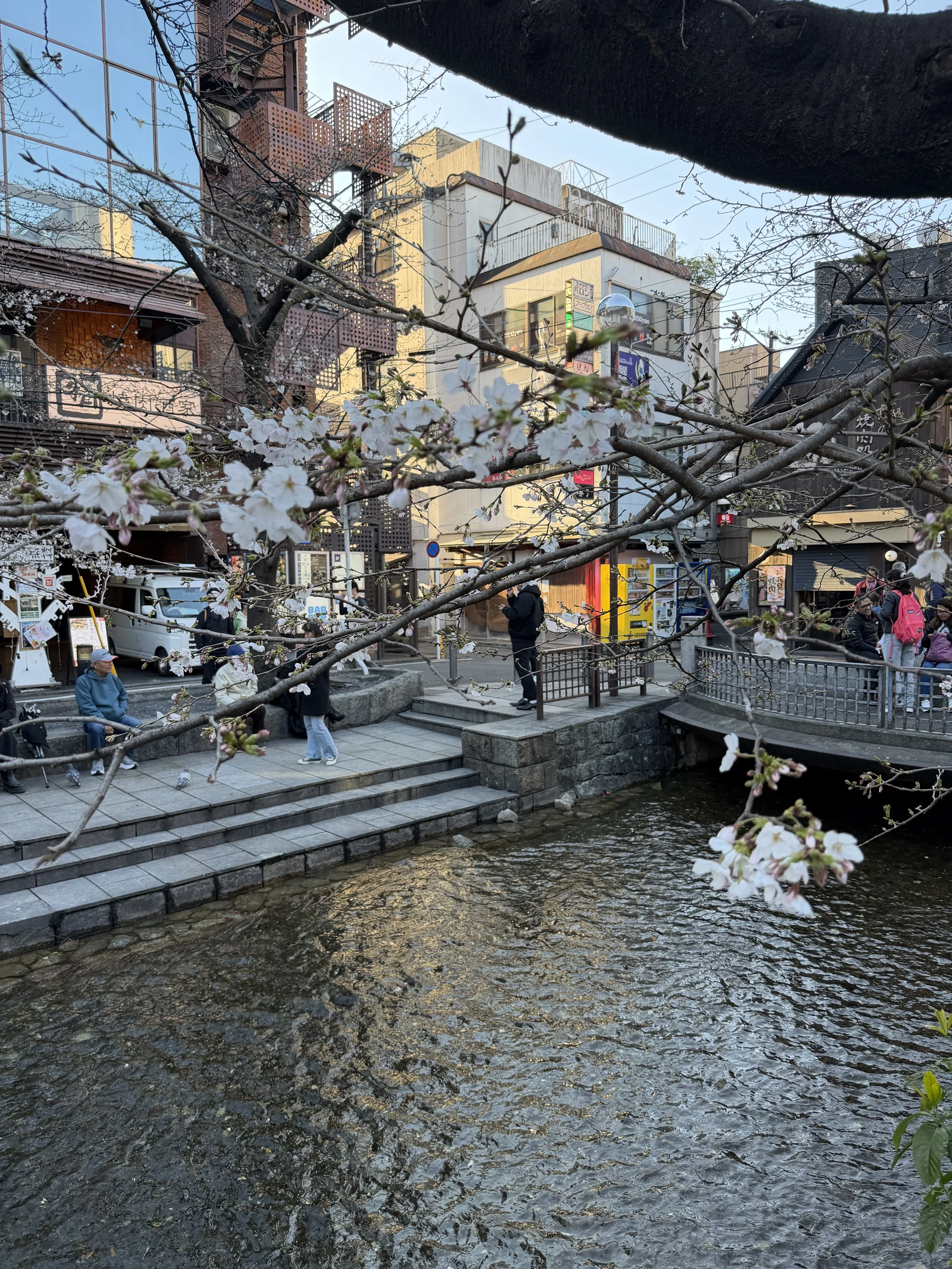
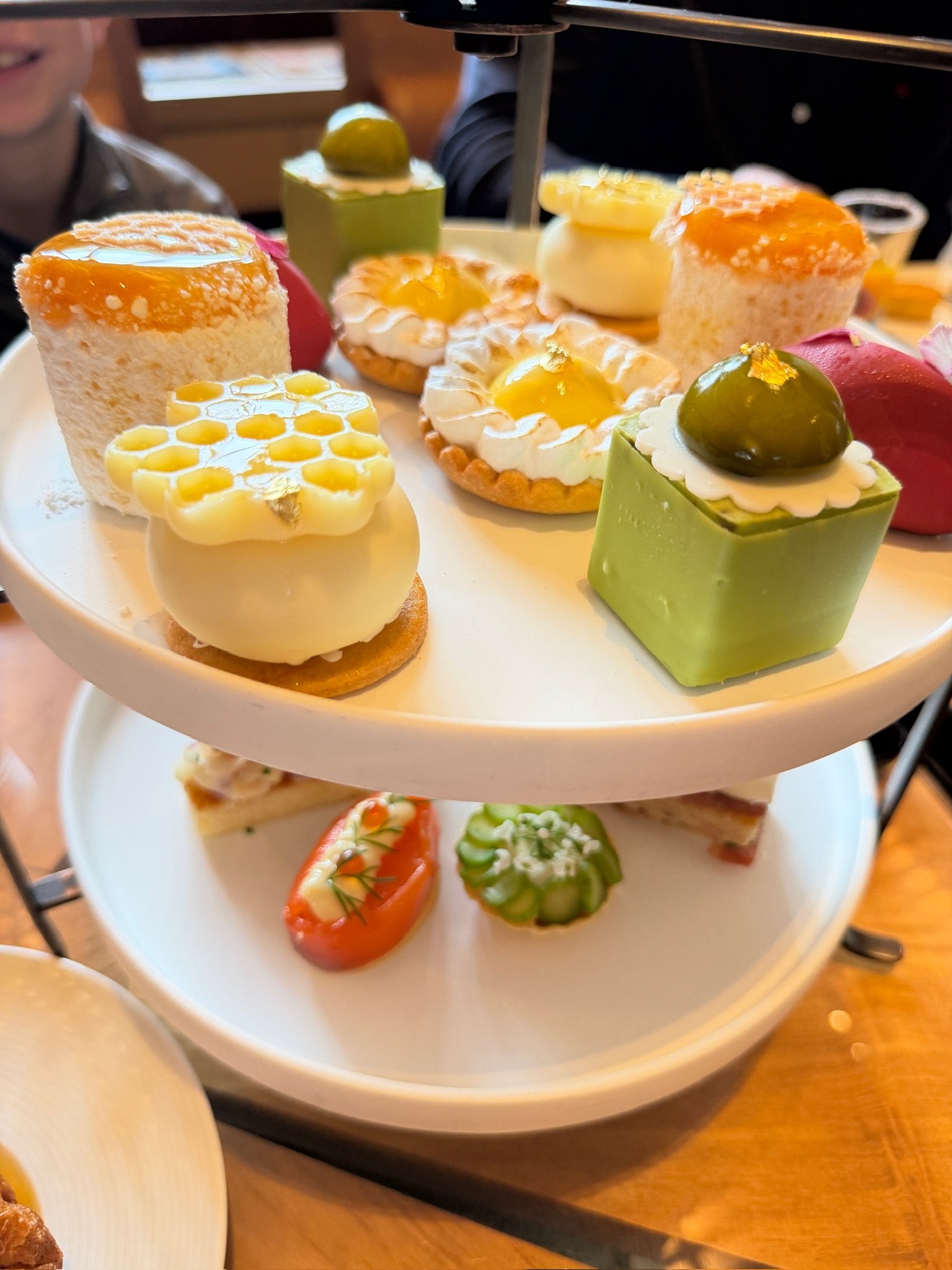
Millions of people move through some of the most densely populated places on earth … Tokyo. Kyoto. Osaka. Nagano. Hakuba. There was no shoving. No pushing. No one crossed the street until the light turned green, even if no car was in sight. In the busiest tourist areas, in the tightest subway cars, there was this awareness of a shared space that I’ve never experienced anywhere else. The streets were clean. The public bathrooms were clean. Trust me. We used a lot of them in every city. No paper towels on the floor (people carried their own cloth hand towels or used the hand dryers.) No graffiti inside the stalls. Not occasionally, not just in the “nice” areas, but everywhere. The standards were consistent as a way of living.
— The caretaking —
Taxi drivers wore white gloves. Their cars, some of them at least 30 years old, were immaculate inside. Not clean the way things around the house get picked up before someone comes over … clean the way things are kept by someone who has decided that their space is a reflection of the respect they have for themselves, and whoever enters it.
It was the same with the hotel staff. They didn’t just show us to our room, they walked us there with a kind of quiet ceremony. (Sidenote: we stayed at a variety of four very different hotels during our 10 days, but the attention and care shown at each one was the same.) The hotel staff walked us to our room as if delivering us safely was the most important task of their day. Maybe it was. And maybe I needed reminding that this kind of care is needed more in the world.
— The wrapping —
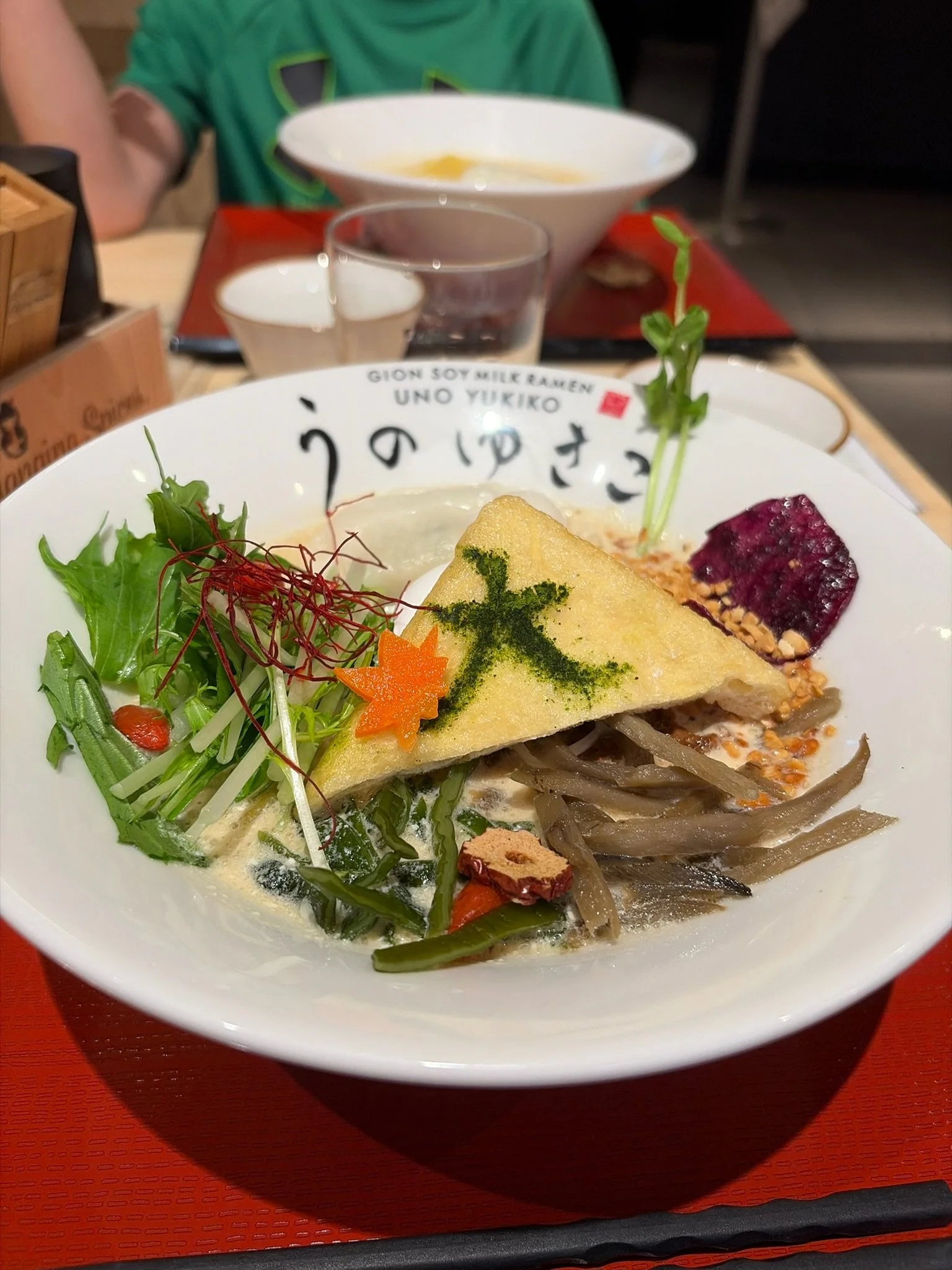
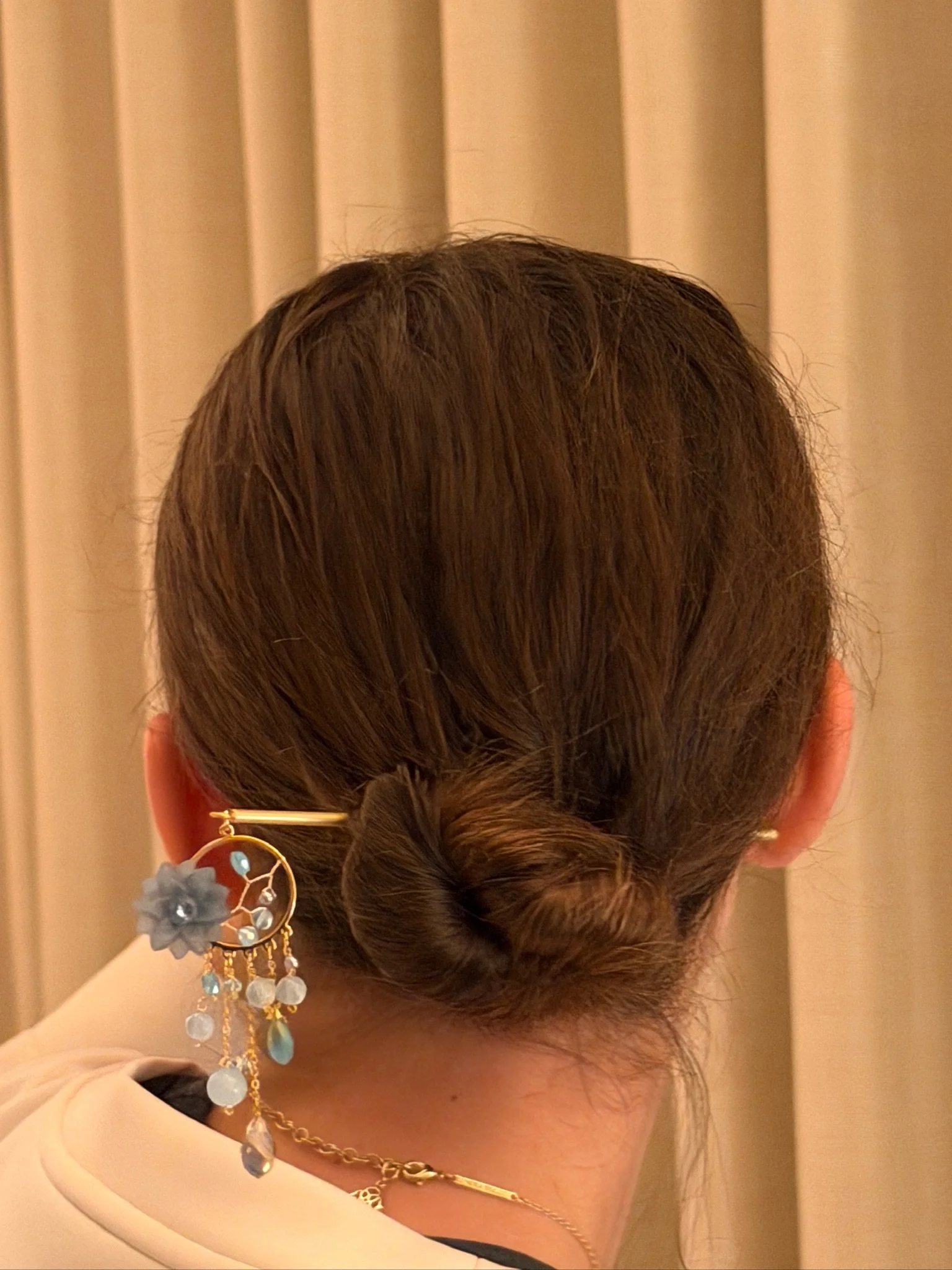
I bought stationery. A small trinket for my kids. Chopsticks. A hair pin (Kanzashi) that holds a ballerina-style bun in place. A white peach pastry from the bakery to take with us. Each item was wrapped as if it were a gift, regardless of what it cost. Tissue paper folded with precision. Tape placed just so. A small sticker to seal it. I honestly started to enjoy being at the checkout counters just to watch this magic unfold. It wasn't about efficiency. It was more about caretaking made visible.
— The Ema —
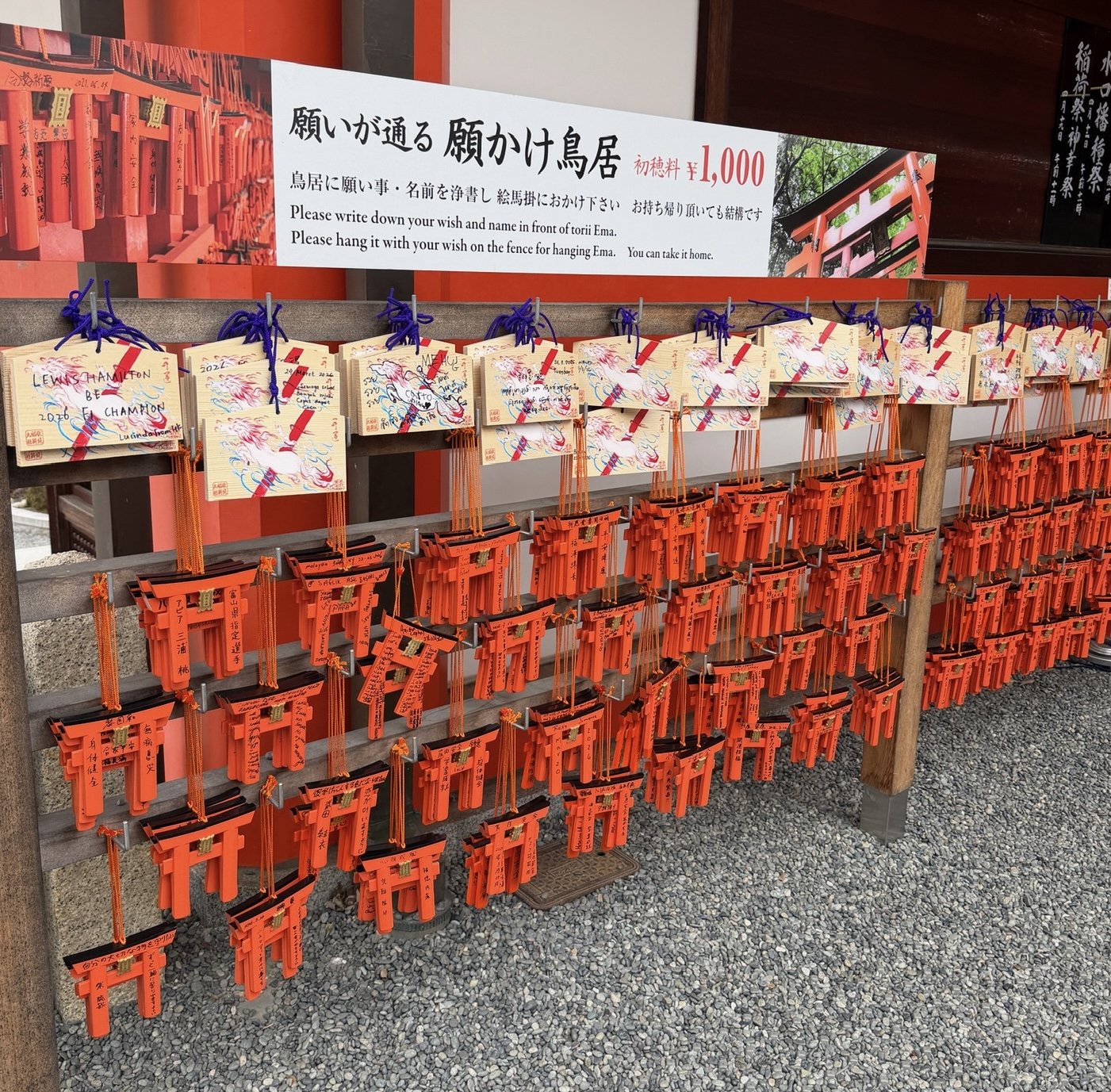
At the temples and gardens, I found them: small wooden ornaments with a horse (because 2026 is the year of the fire horse), where people wrote their wishes, prayers and dreams before hanging them. So many intentions and hopes all hanging together. I learned these ornaments or plaques, are called Ema, and they've been part of Japanese spiritual tradition for more than one thousand years. What moved me wasn't the ritual itself but the handwriting. I watched people deliberately pause in the middle of their day to hold a small piece of wood and write down what they hoped for. There is something profound about watching so many people in a culture pause to make space for such an act.
— The gardens —
I cried at the Hojo Hasso Garden. I didn't expect to. I'm not sure why, really. Maybe because it was so peaceful. I can’t fully explain it, but I stood in front of these perfectly raked rocks with patterns so precise and detailed they looked like still water. People stood around doing the same thing you do when you look out at the ocean. Not talking. Not photographing. Just looking, the way you look at something that is bigger than your ability to respond to it.
It was like seeing beauty in something as a spiritual act. This is not an accident. This is a value, practiced daily, by millions of people who have decided that the space around them, their larger environment, is worth protecting — not because other people are watching, but because it belongs to everyone. It’s a level of respect for the world around you.
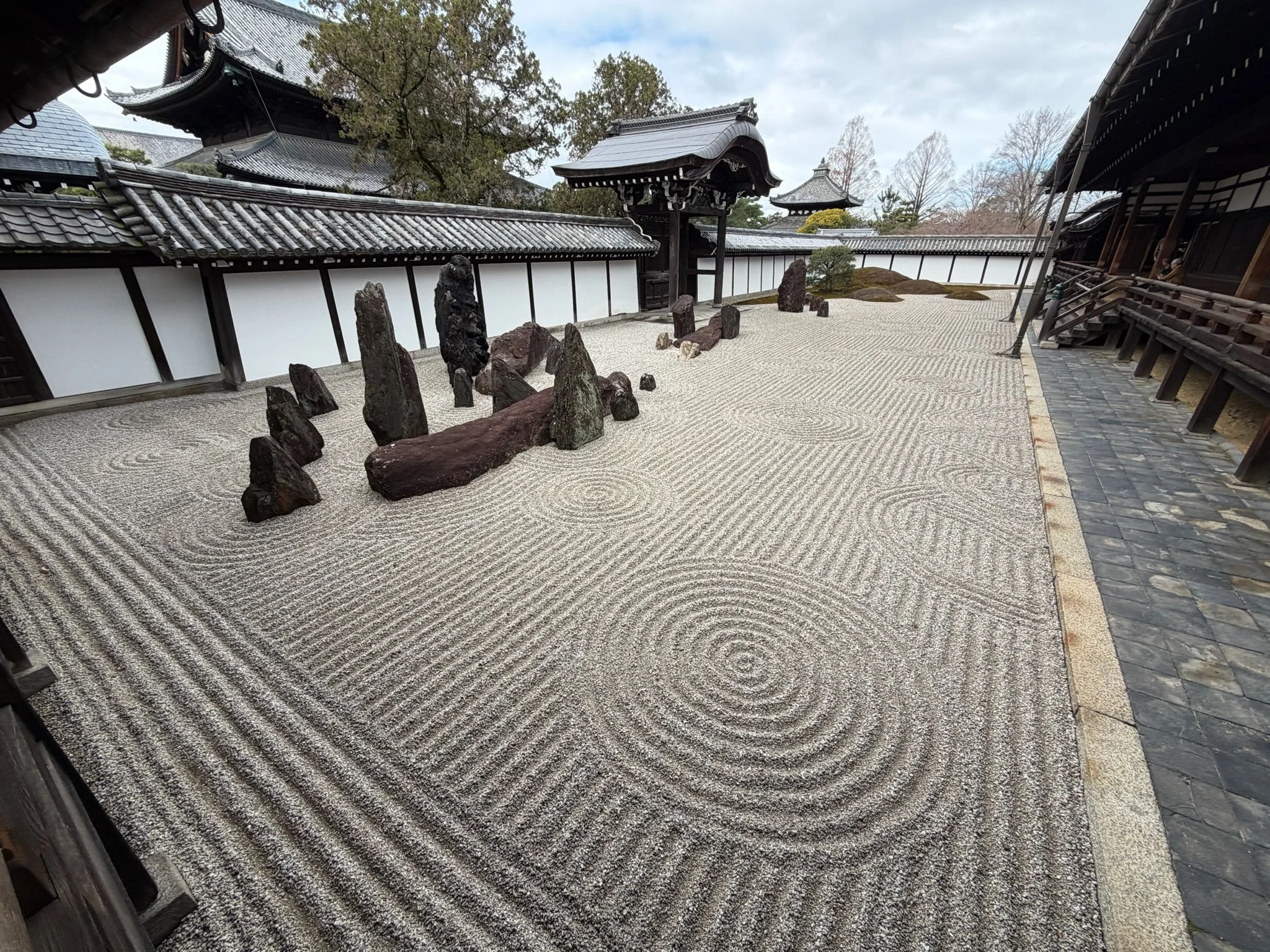
Hojo Hasso Garden in Kyoto
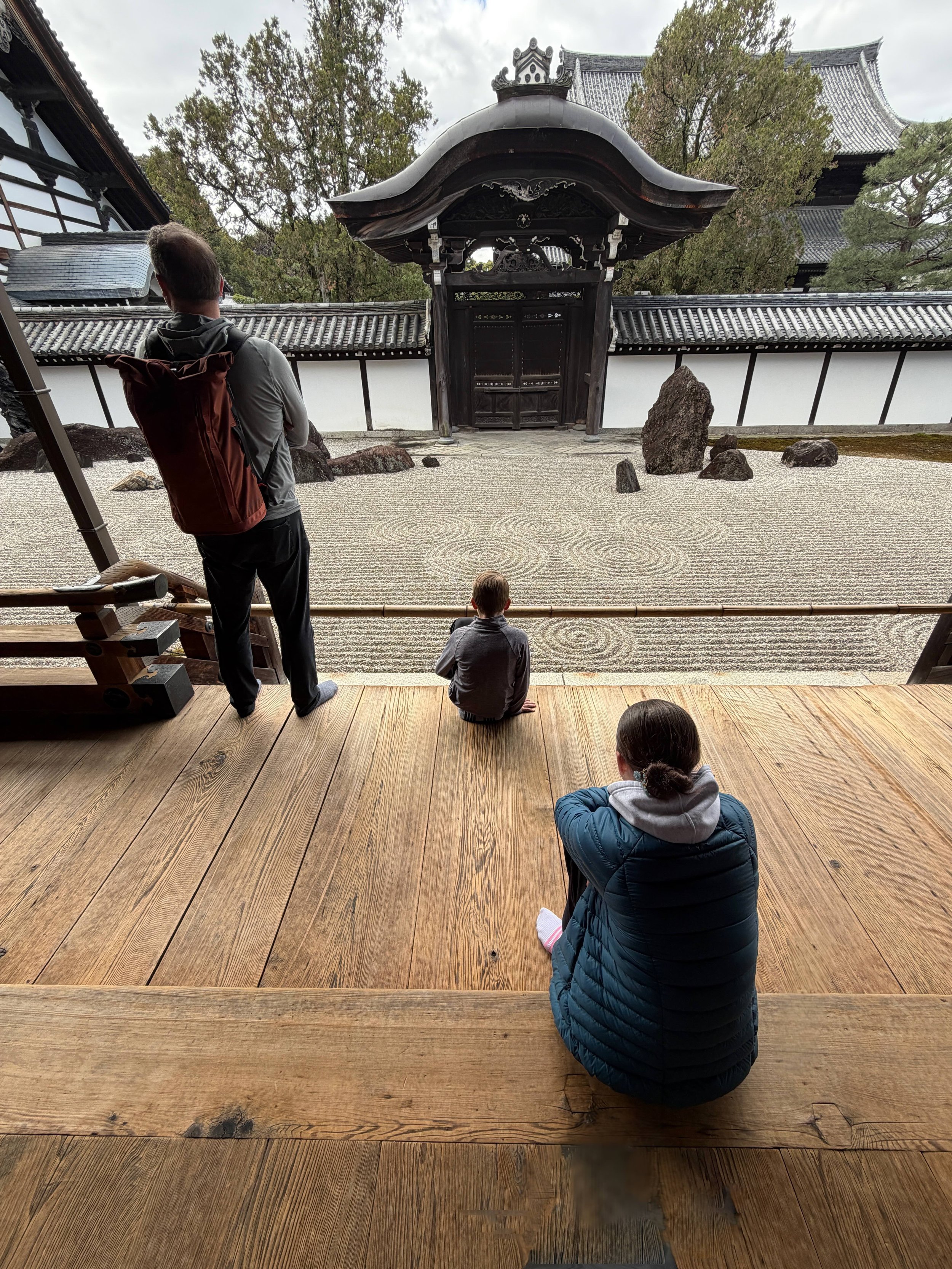
Enjoying the stillness and beauty of the rock gardens in Kyoto.
Everything I saw carried that same quality and attention to detail. Not performance or customer service based. It felt like something more personal where the relationship between a person and their work was done with an immense level of pride, in the best way.
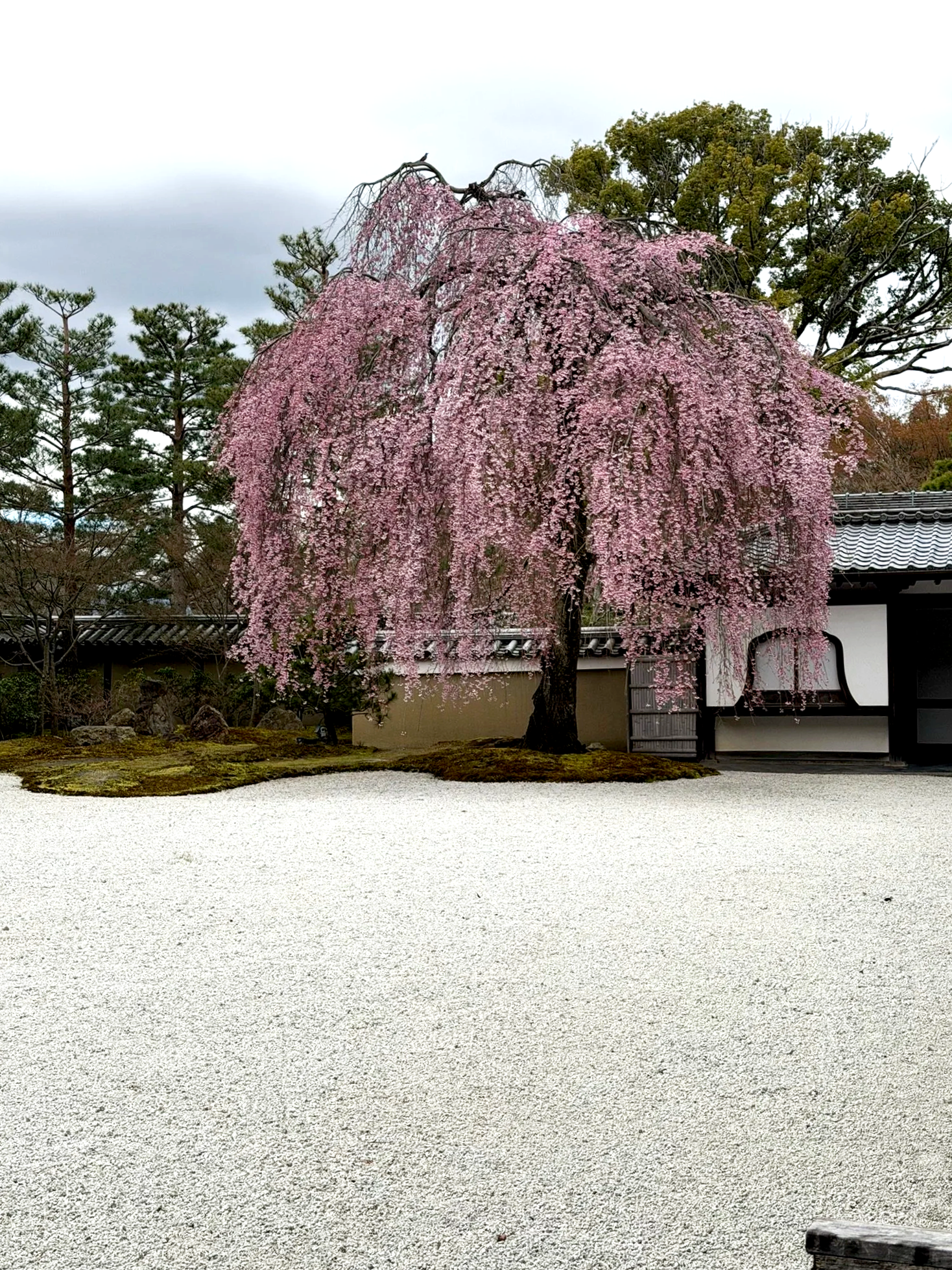
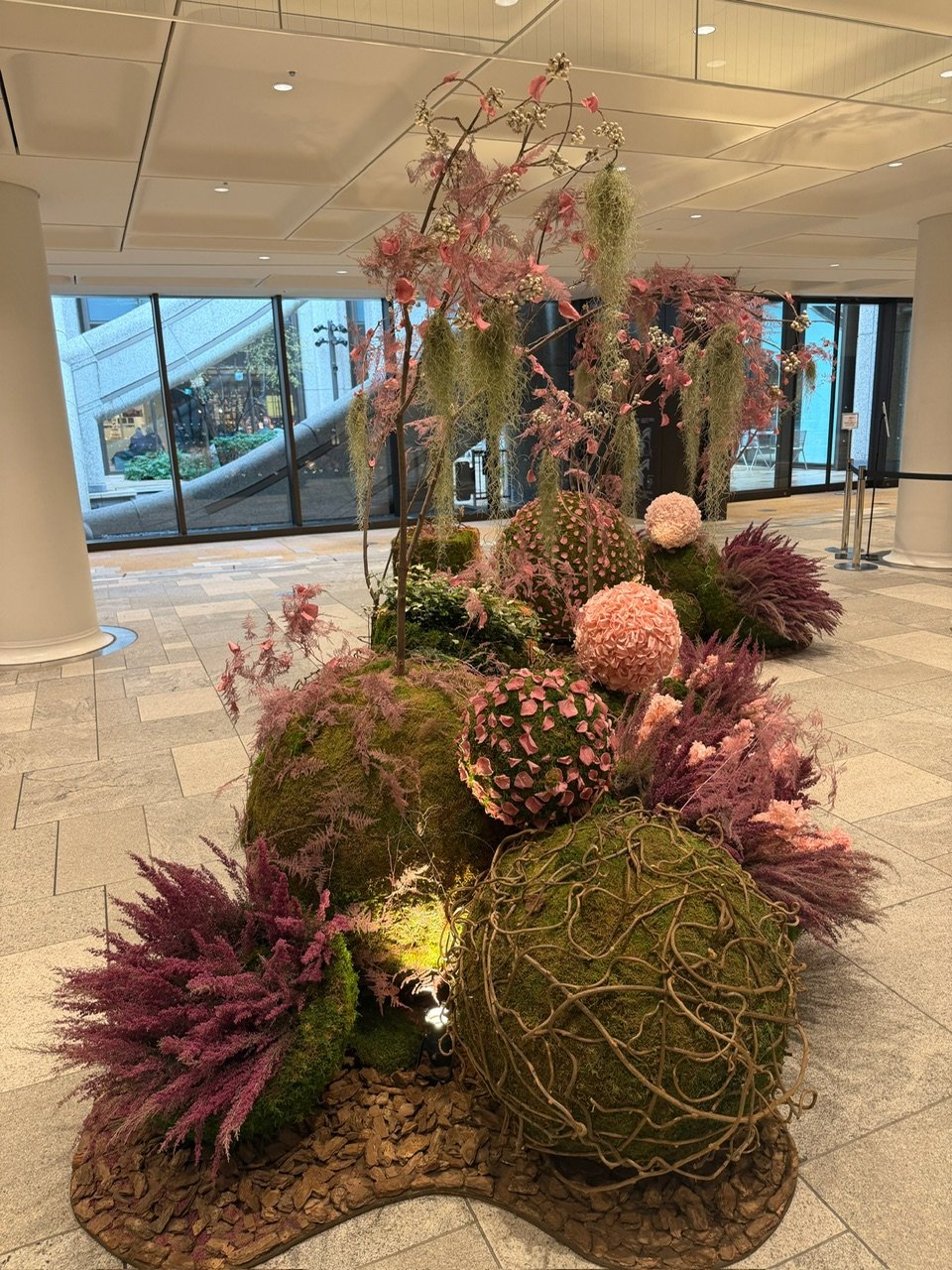
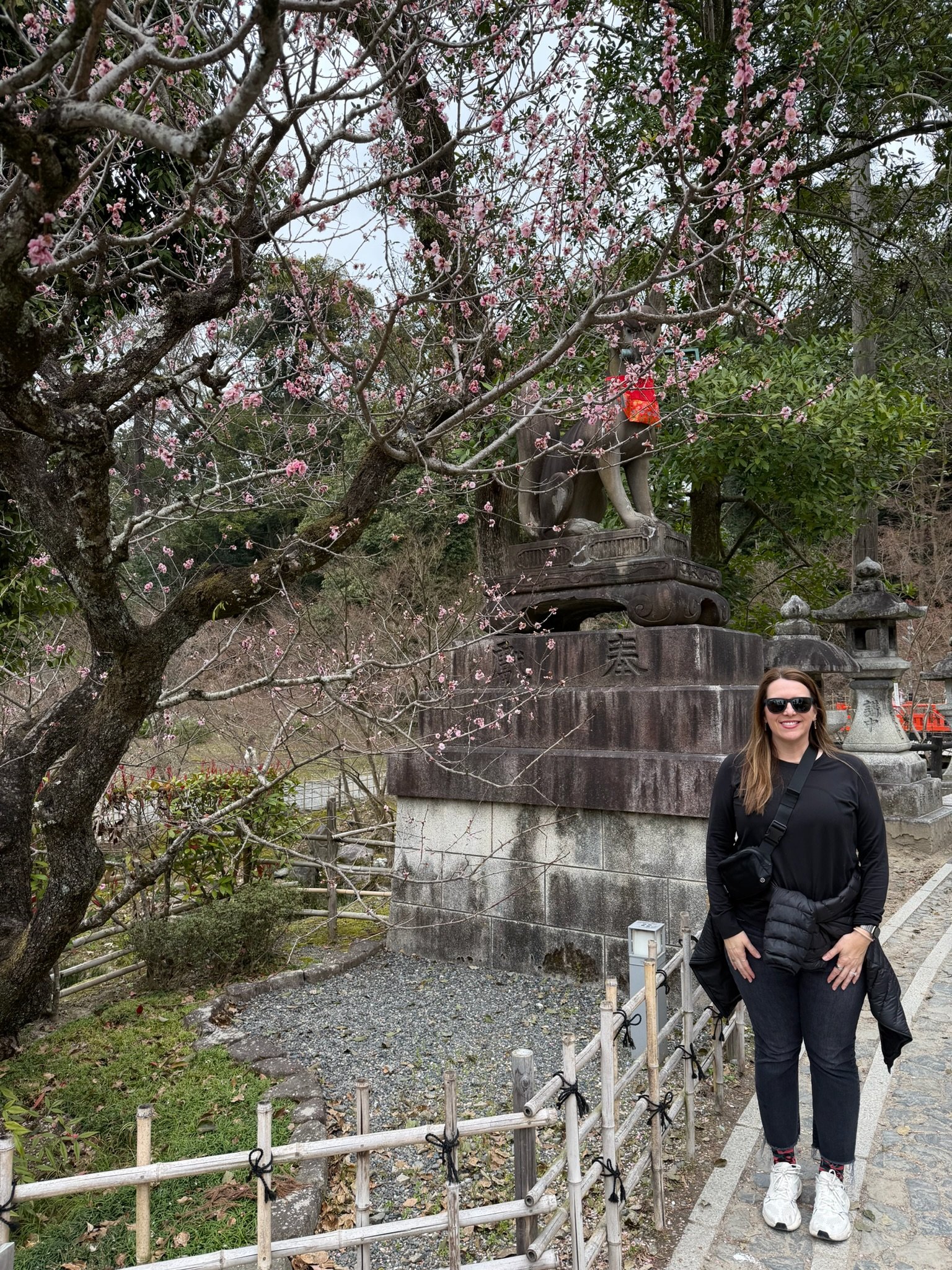
We saw so many beautiful cherry blossoms, but this one really caught our attention.
— Punctuality —
The trains are on time. We couldn’t believe how they left at the exact minute they were scheduled to. We were warned, “Don’t be late!” The trains start moving within minutes of arriving and you have to get on quickly and find your seat. There’s the five-minute rule in Japan. Arriving exactly on time is considered late. There is a cultural practice of arriving at least five minutes early to any scheduled appointment, meeting or job. It again signifies respect and reliability.
— What I came home with —
Japan reaffirmed something I had always believed but struggled to find reflected back at me: that some standards are a form of love. That pride in your work — whether you are a taxi driver, a baker, a garden keeper or the creative behind painting and designing a manhole — is not vanity. It is respect. For yourself. For the person next to you. For the world around you.
How you do anything is how you do everything.
There’s this part of American productivity and hustle culture that we leave out. Japanese culture seems to ask: did you bring your whole self to this task? Not just your best effort. Your whole self. Every time. With everything you do.
I came home amazed. Not because Japan is perfect. Obviously, no place is, but I witnessed what it looks like when an entire culture decides that ordinary life deserves extraordinary care.
I want more of that in my life. I want to do more of that in my life. And I hope by reading this, maybe you can see it too.
xo, Leslie
P.S. If you haven’t been to Japan, I hope you visit to get a quiet, permanent shift like I did. I’ll have to write another blog post about all the amazing things we did and the sheer beauty of things we saw everywhere we went.
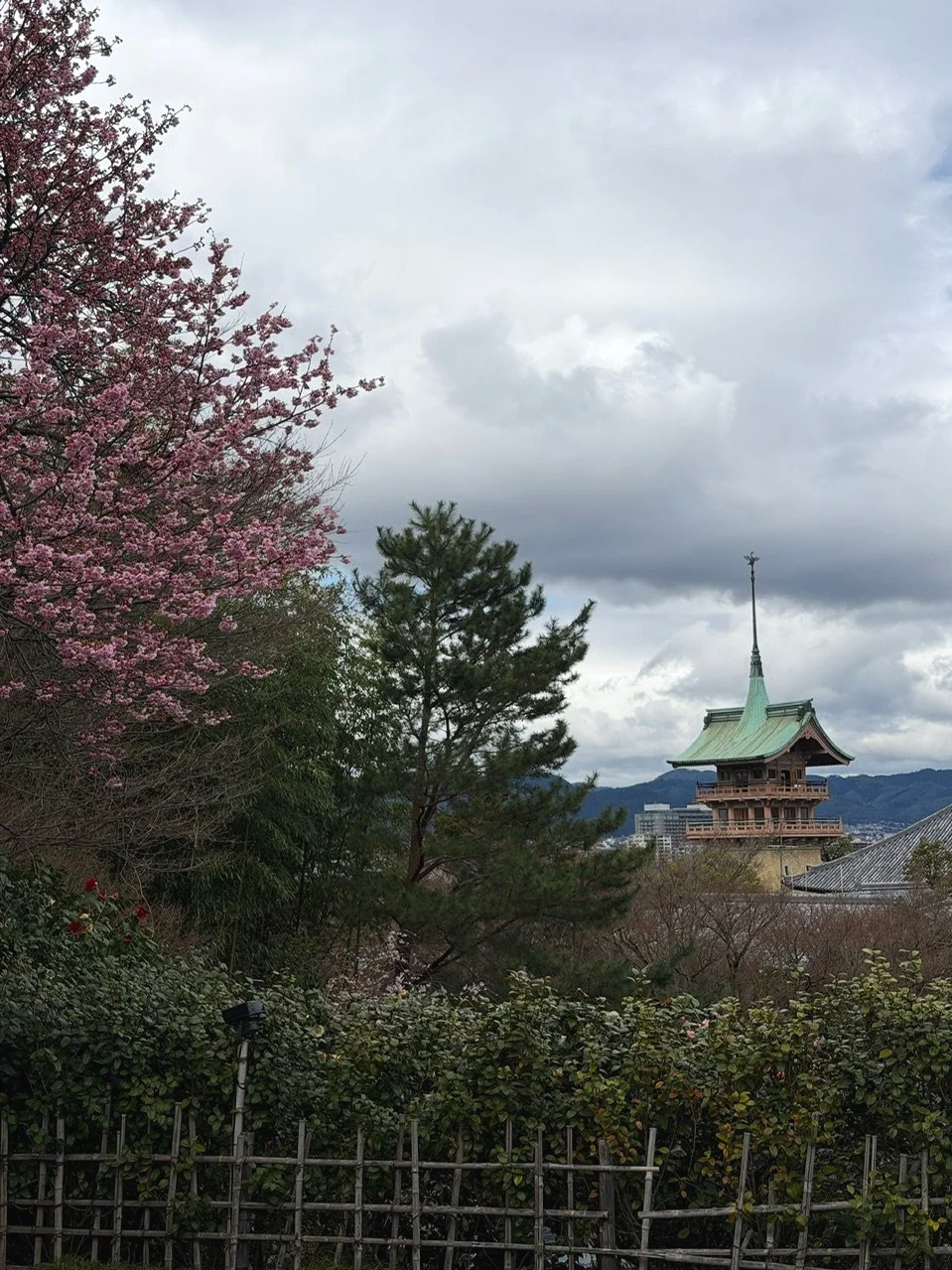
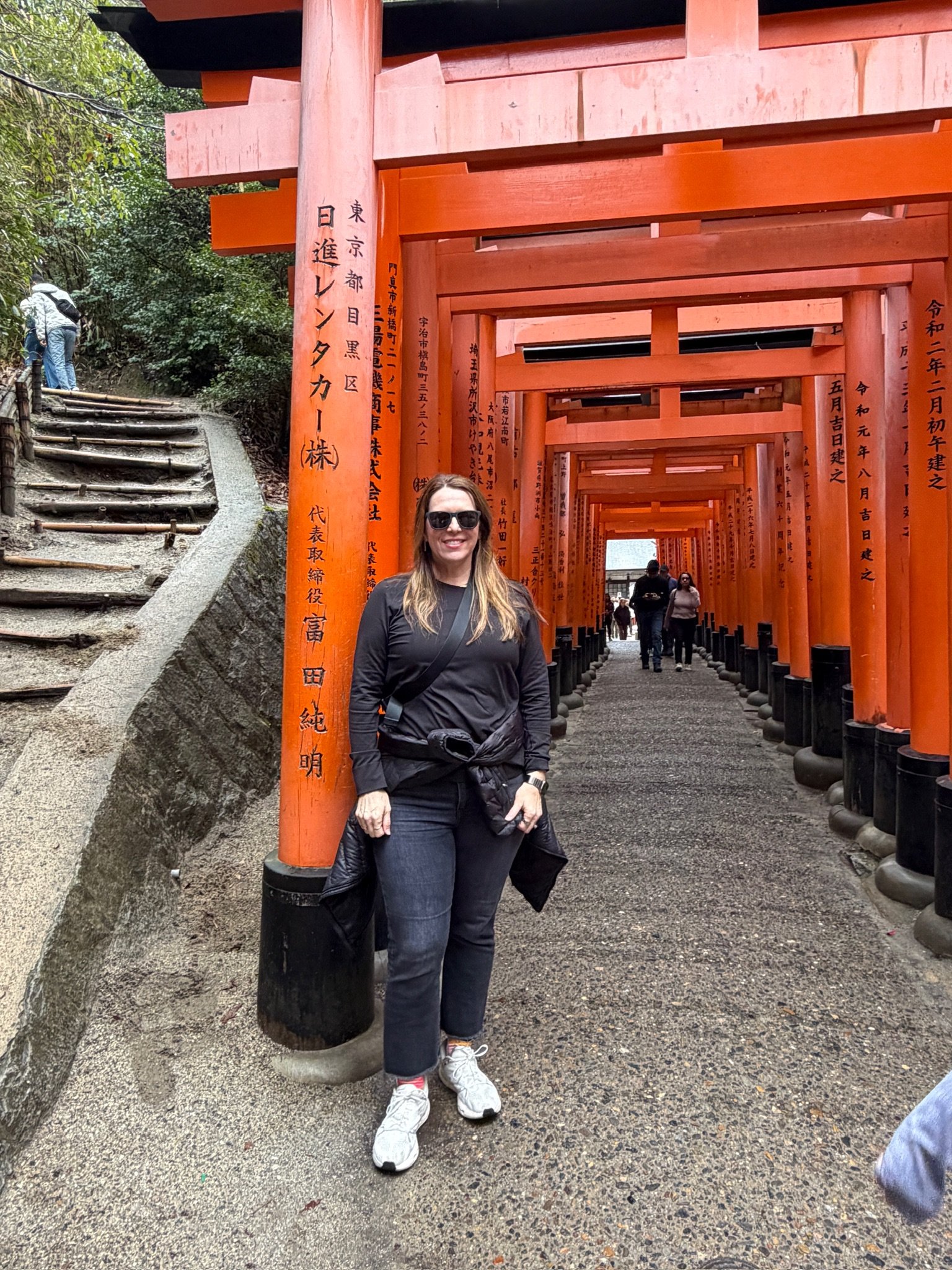
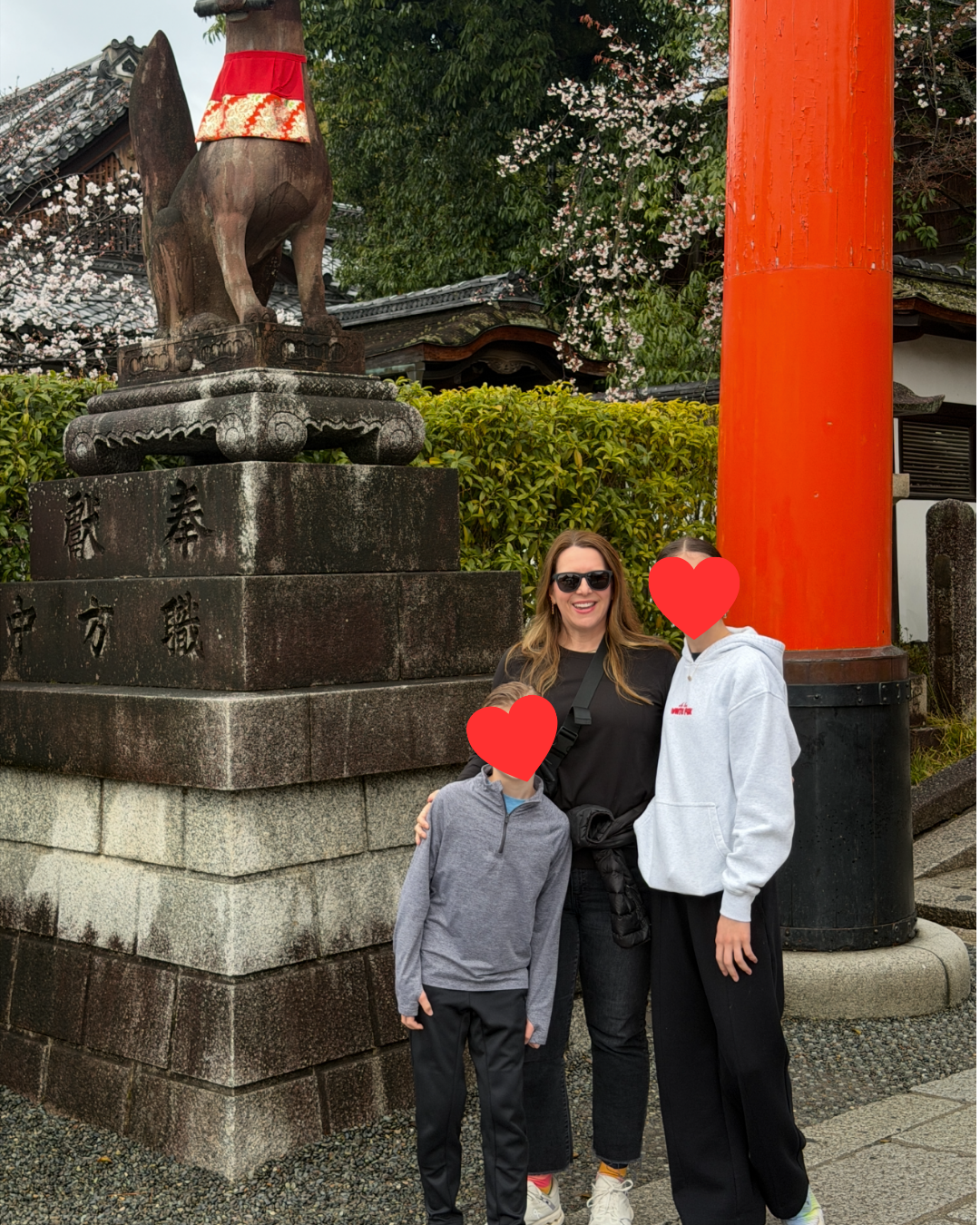
Outside the Ryozen Kannon Temple near Kyoto’s Gion district